No. 7
[Synthetic Life]
Revealing adaptive liquid structures at molecular scale
Primary Matter
[Structural Base]
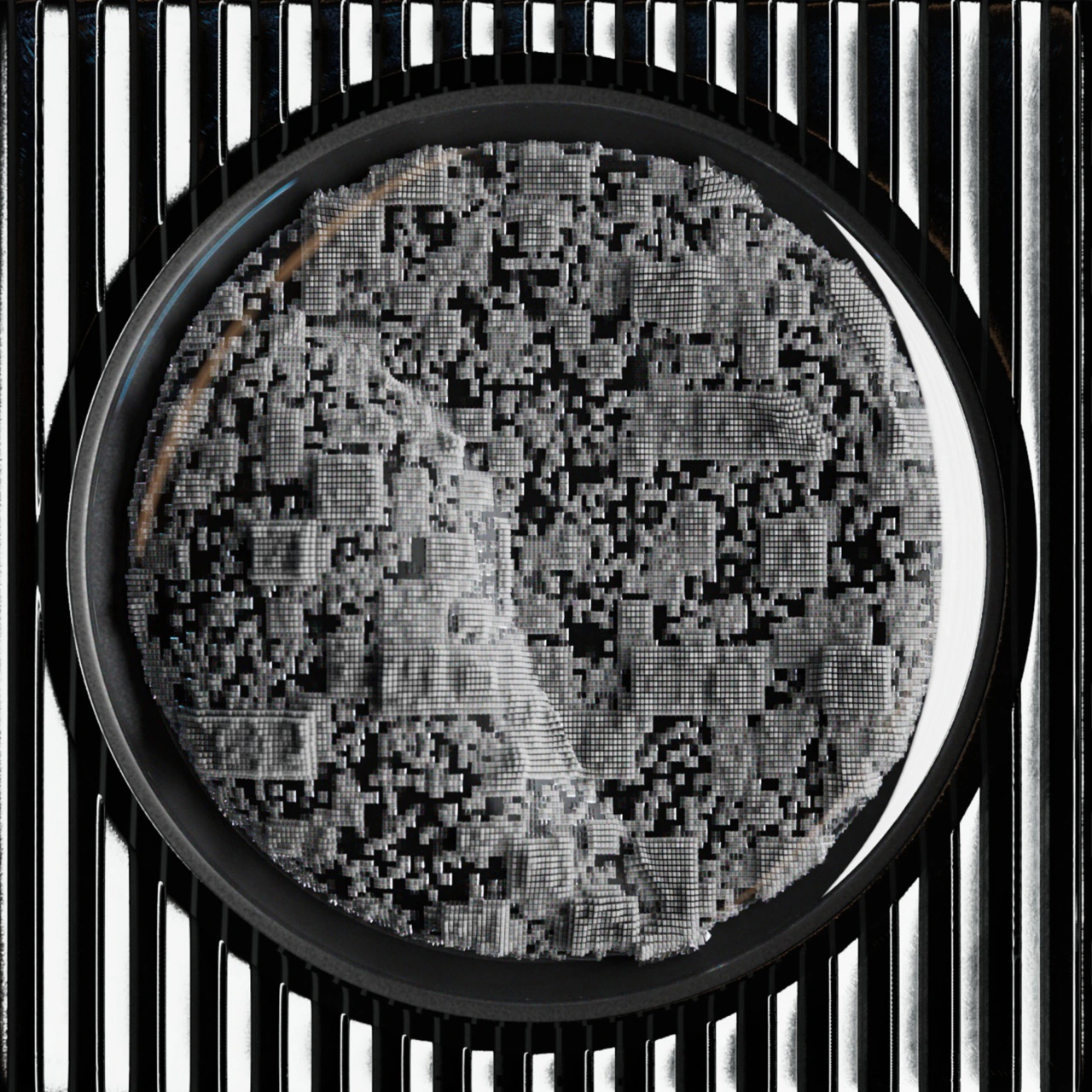
[01] Simulating uniform base topology in Cinema 4D
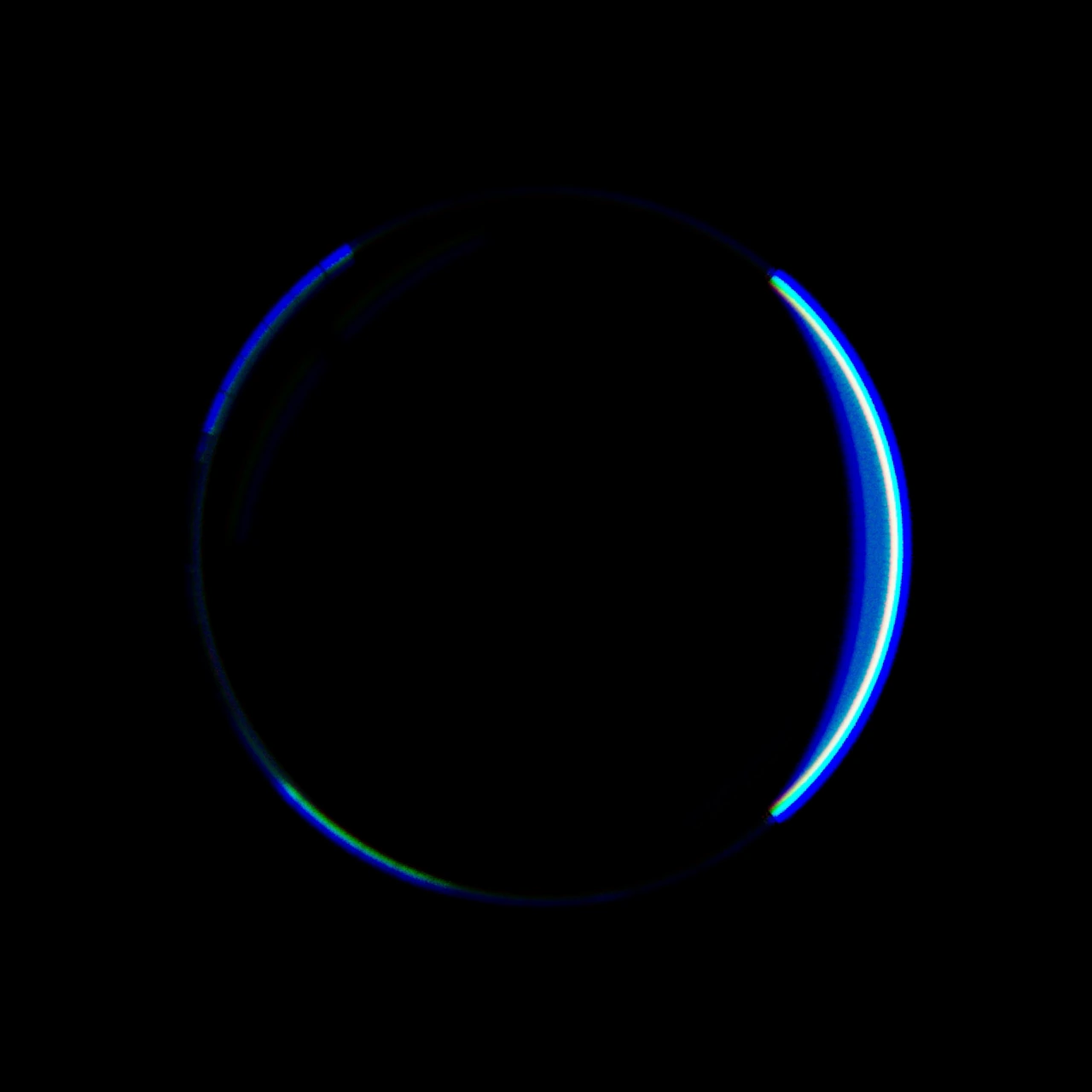
We began by mapping the synthetic liquid’s stable, pre-activation state. Through digital analysis, we revealed how its clear, glassy surface conceals a complex, organic grid of molecular alignment, a synthetic foundation ready to be coded for advanced applications.
[02] Shallow depth of field isolates initial molecular boundaries
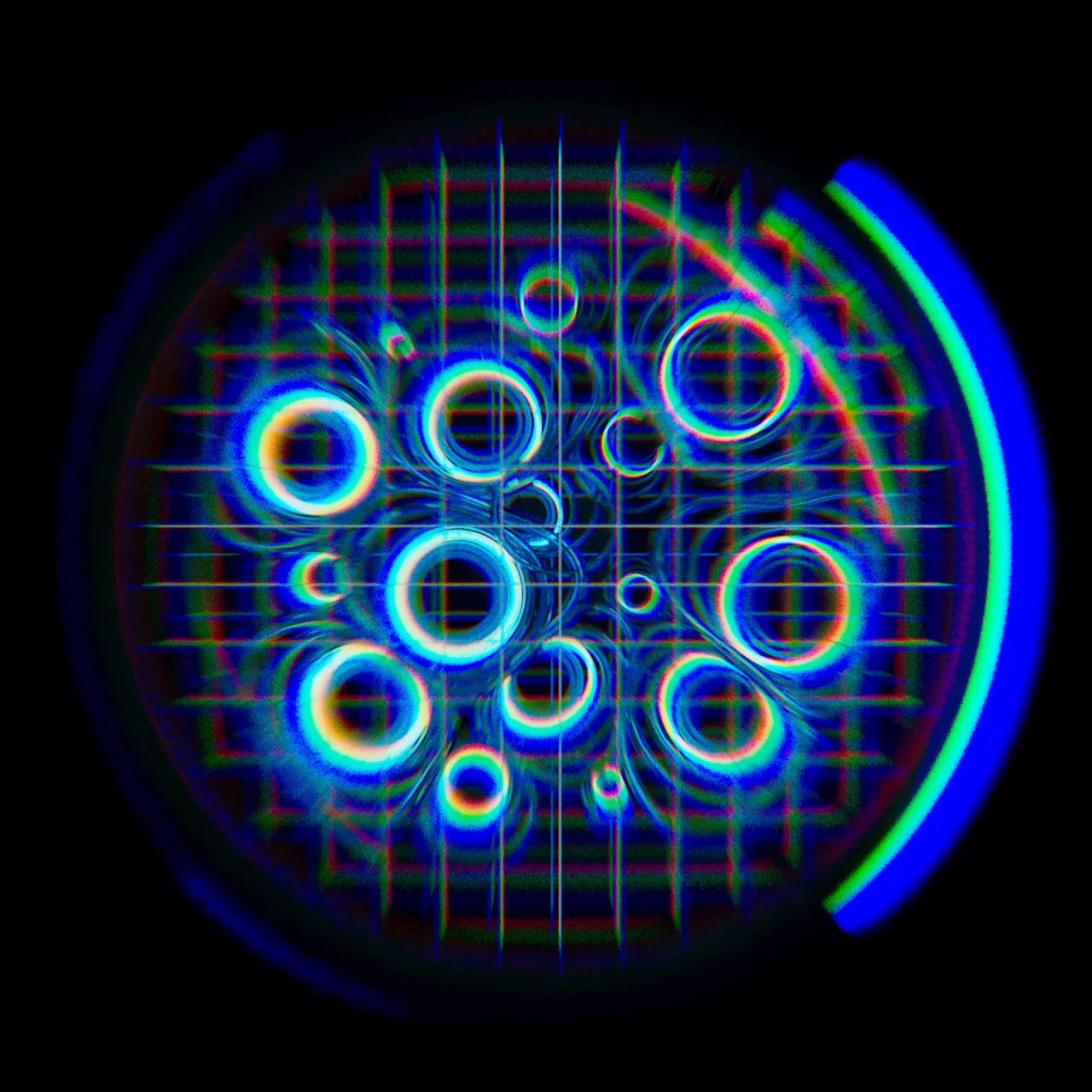
[03] Calibrating digital optics to observe layers of detail
Procedural Shift
[System Intervention]
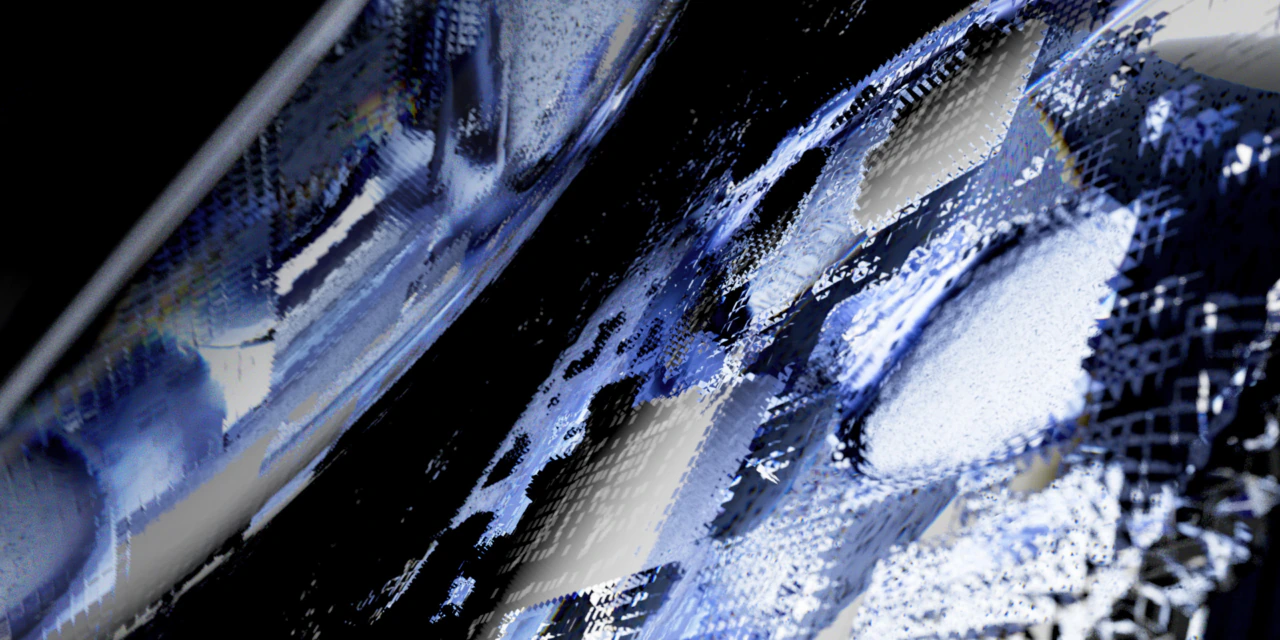
To observe and test these transformations, we built a virtual microscope that mimics real optical lenses, providing an authentic 3D environment to investigate molecular behaviour. To simulate a molecular recode, we introduced procedurally generated noise fields that disrupted the stable state and triggered an organic, evolving transition. Our camera rig pierced opaque volumes, capturing striking moments of deformation as the base structure shifted.
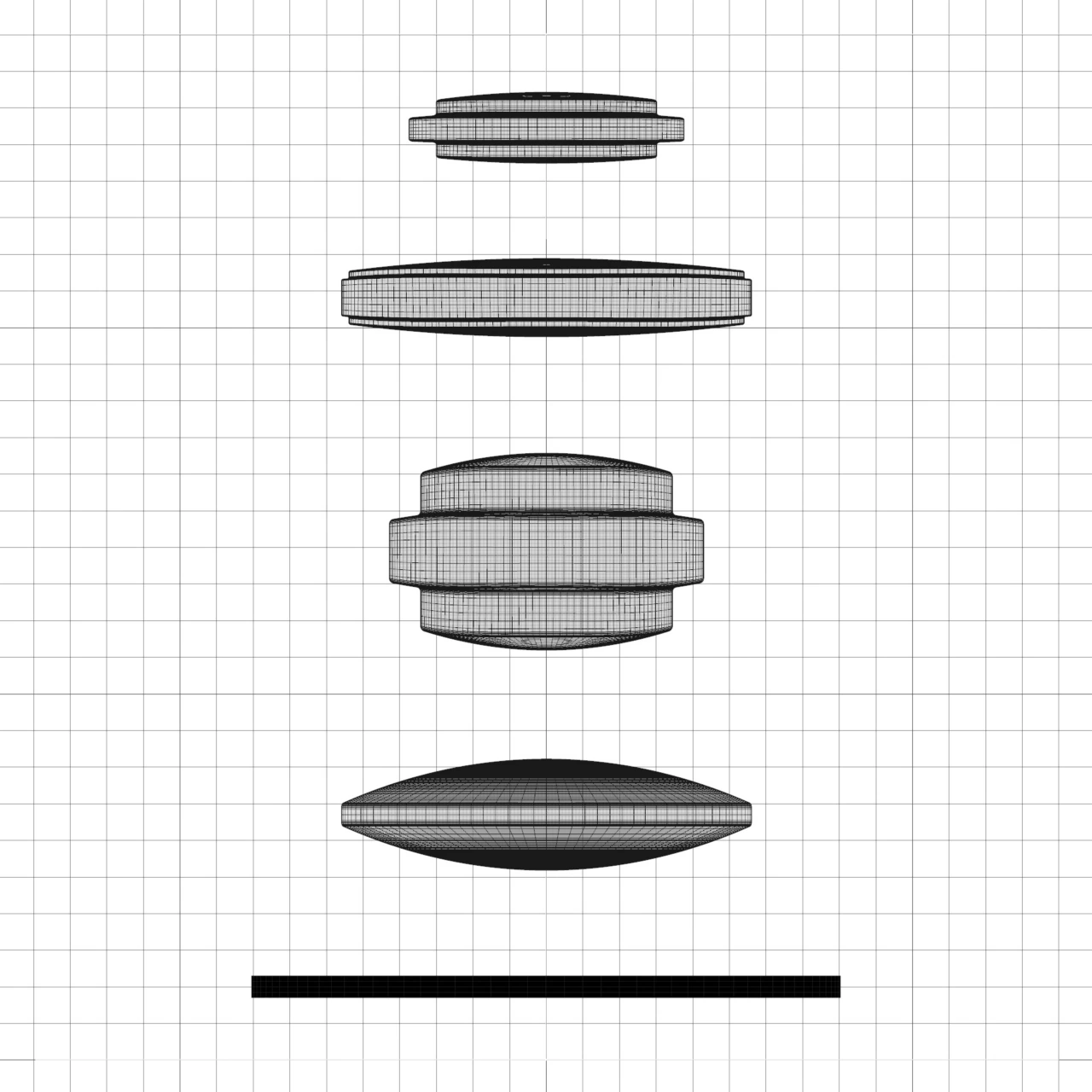
[04] Deploying our virtual microscope to track molecular recoding
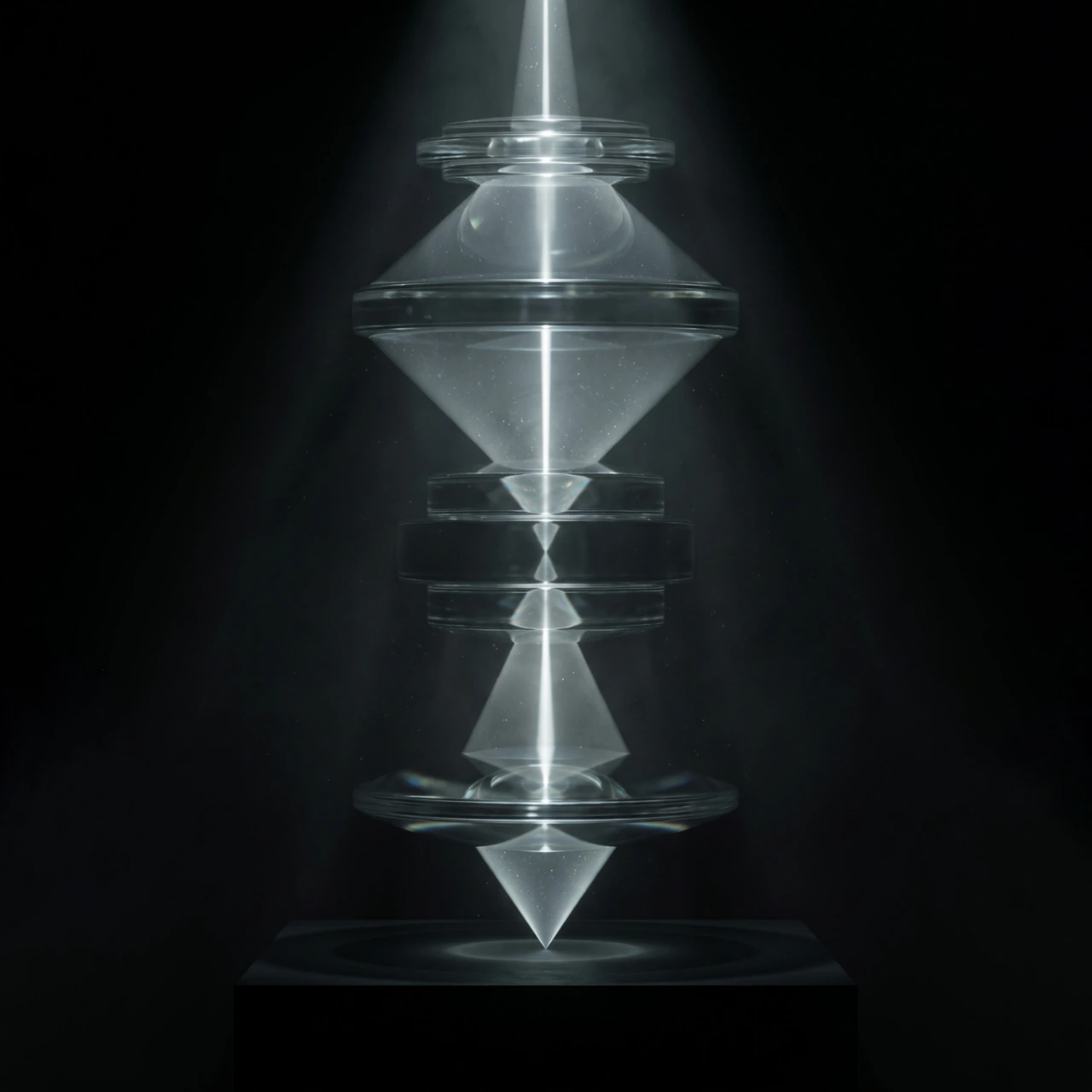
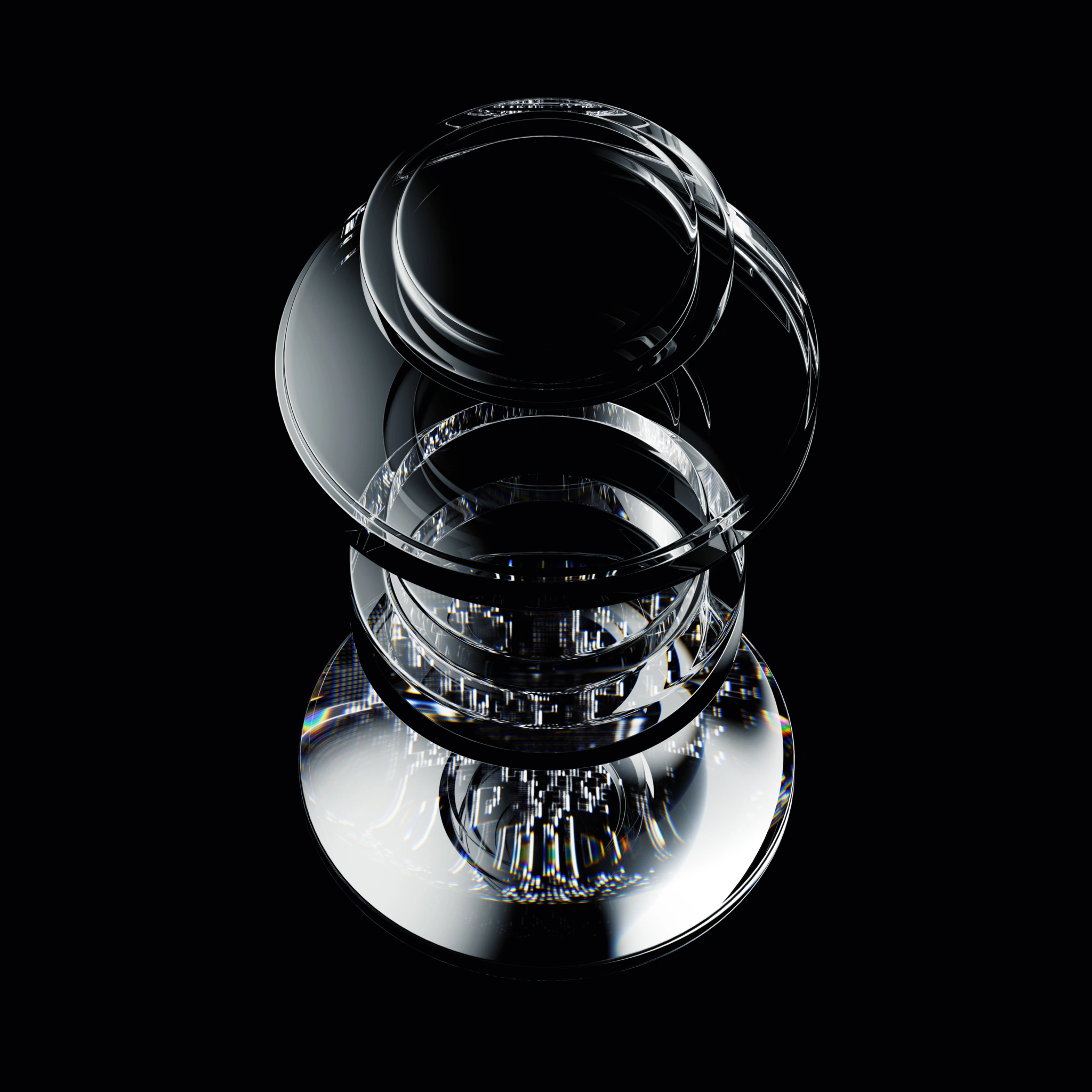
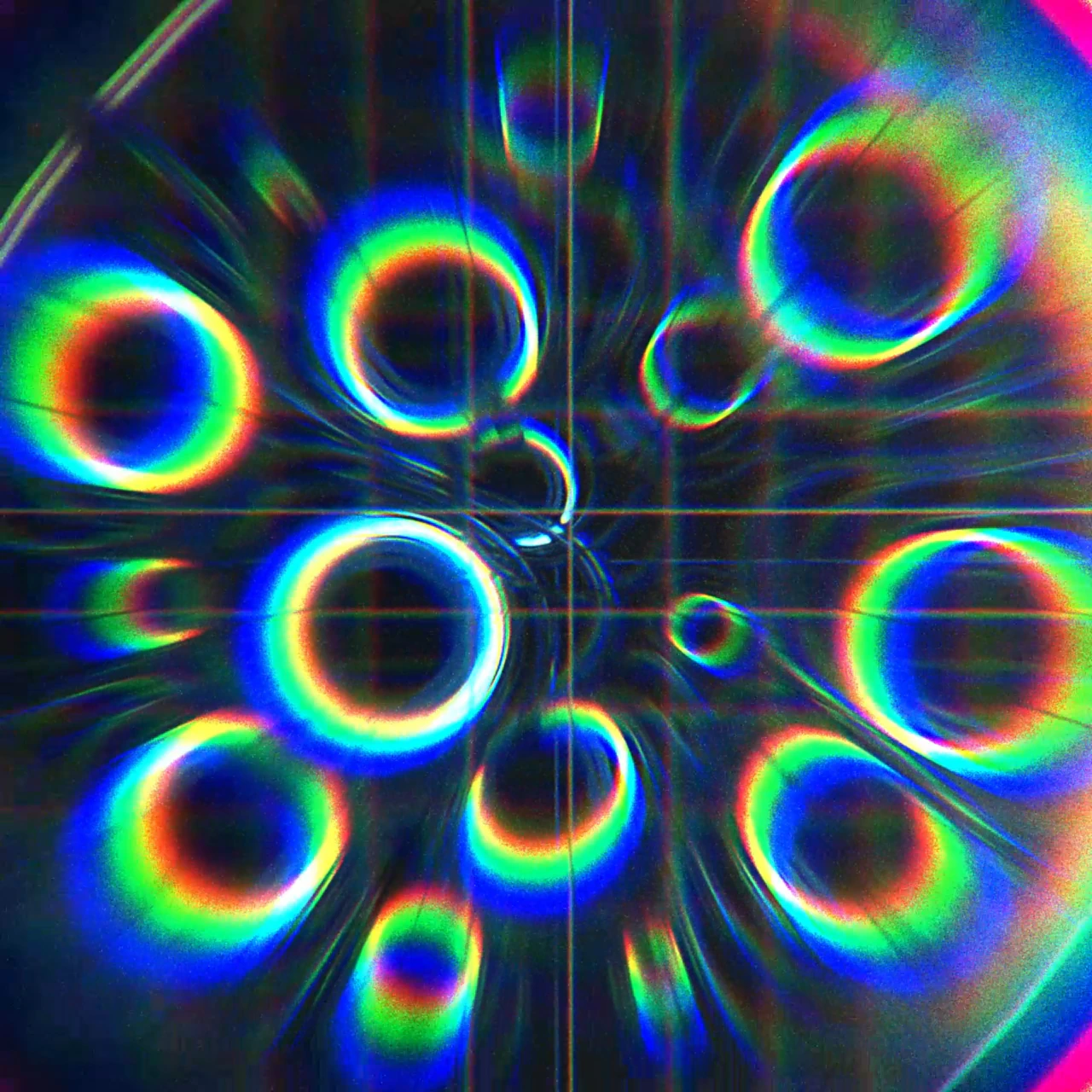
[05] Simulating optical distortion to map internal structural stress
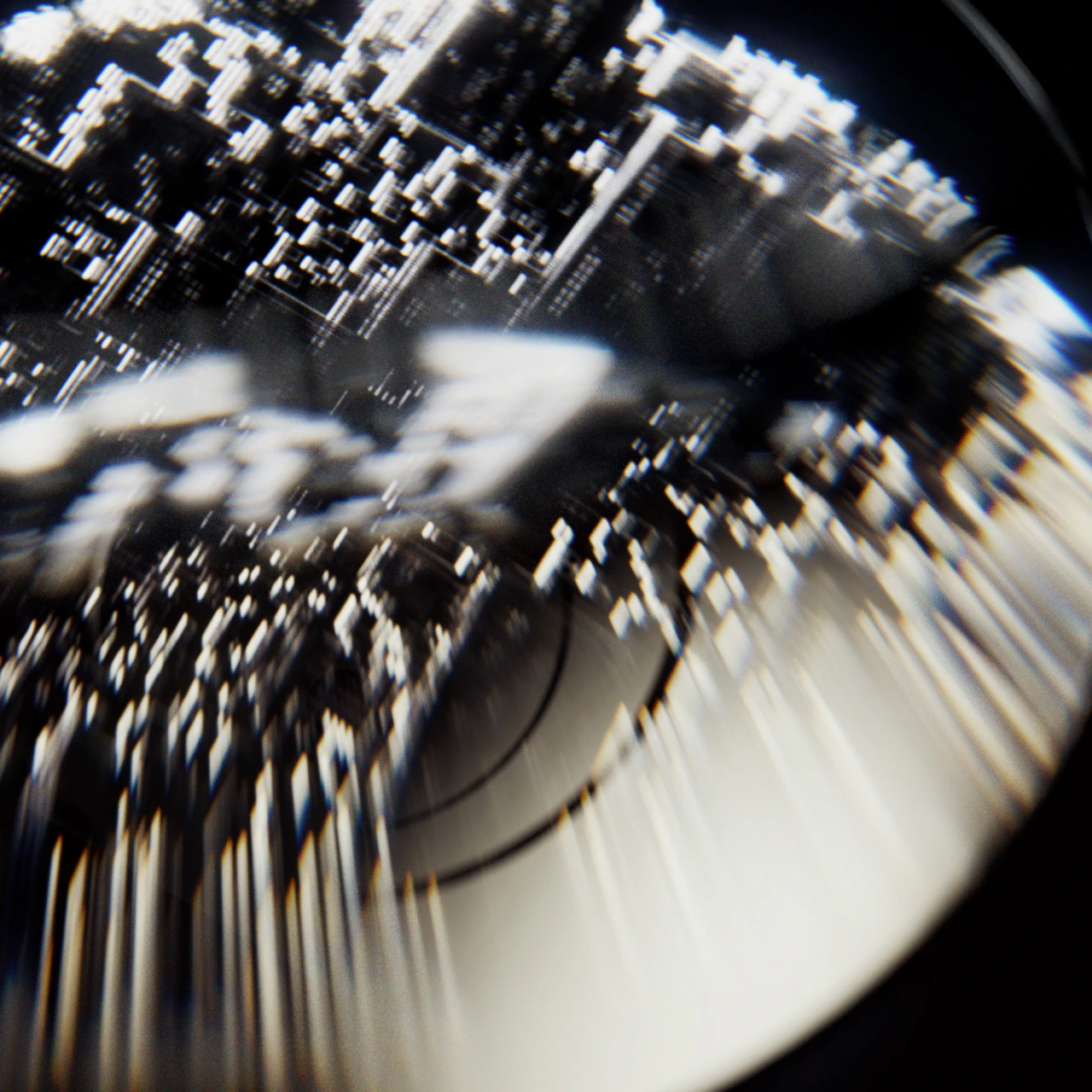
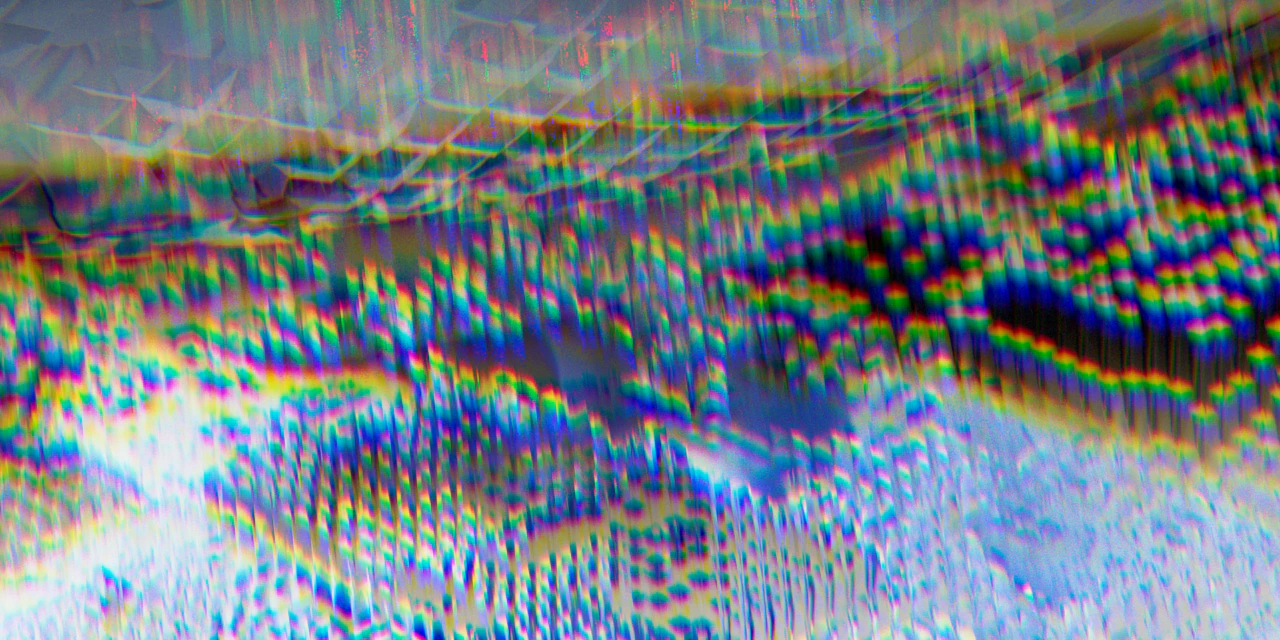
By simulating physical traits like shallow depth of field, chromatic aberration and lens flare, we grounded our visuals in authentic optical magnification. The virtual microscope, free from real-world optical limits, let us smoothly move from wide views to hyper-magnified molecular layers in one continuous movement.
Responsive Form
[Evolved State]
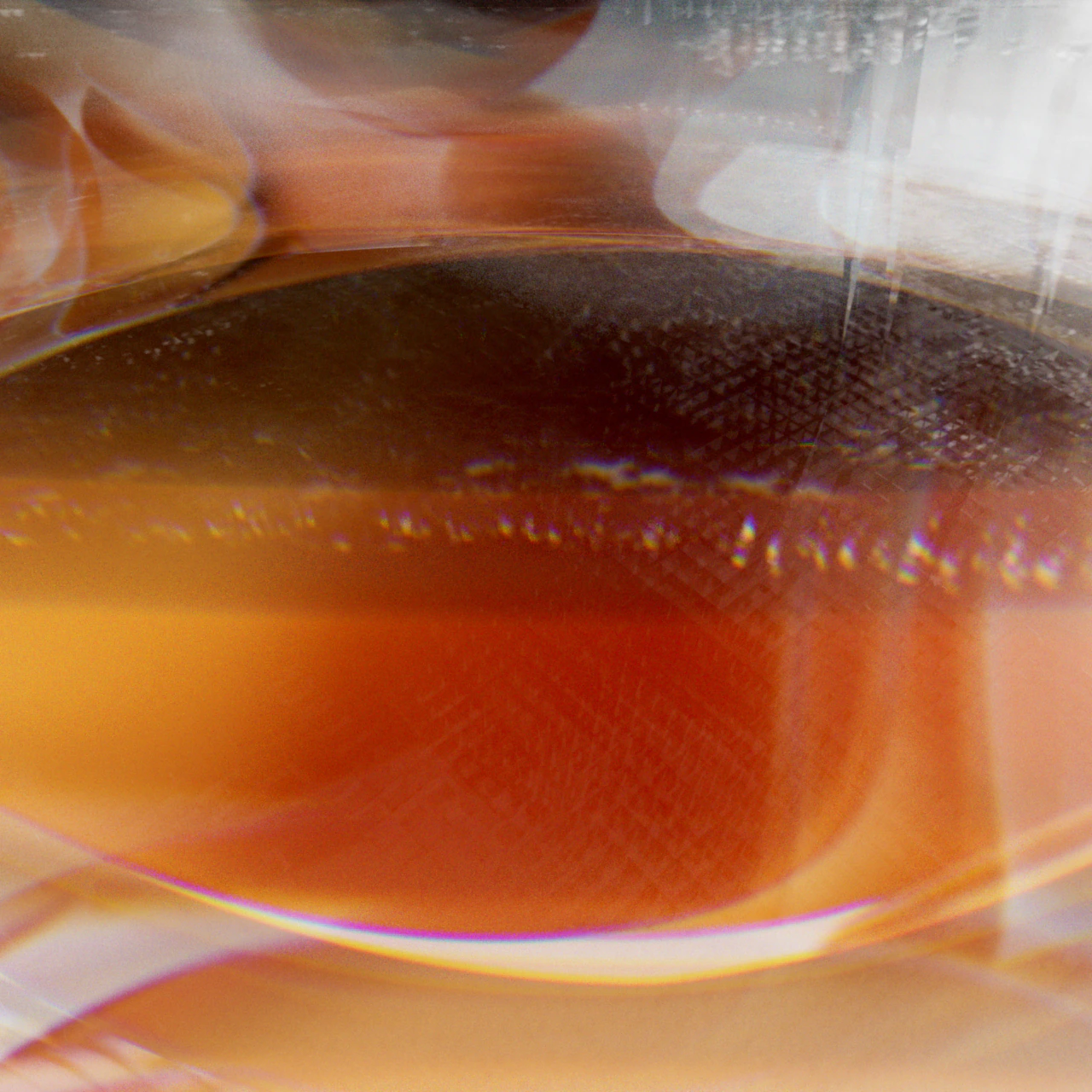
[06] Capturing the structure and the colour of the secondary state change
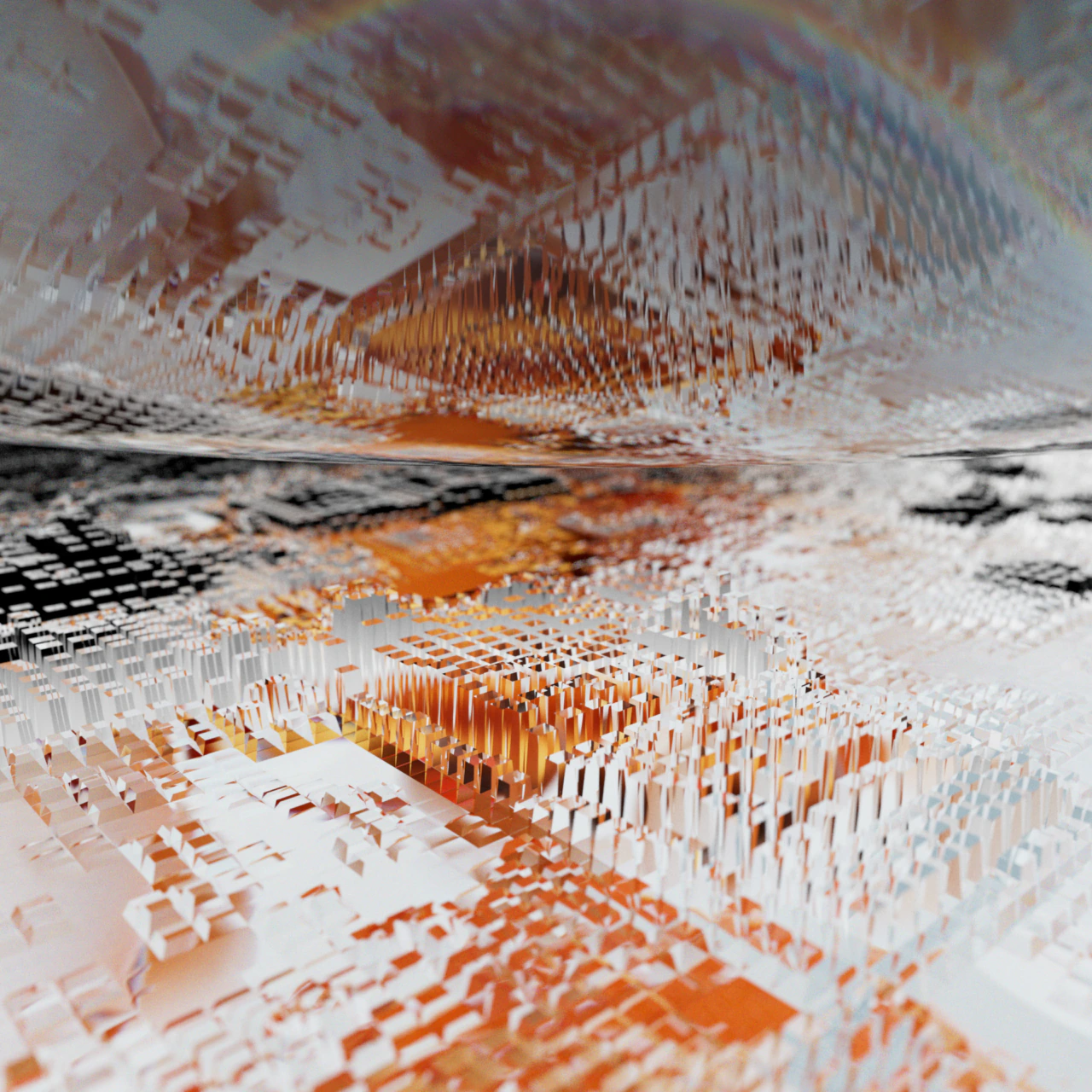
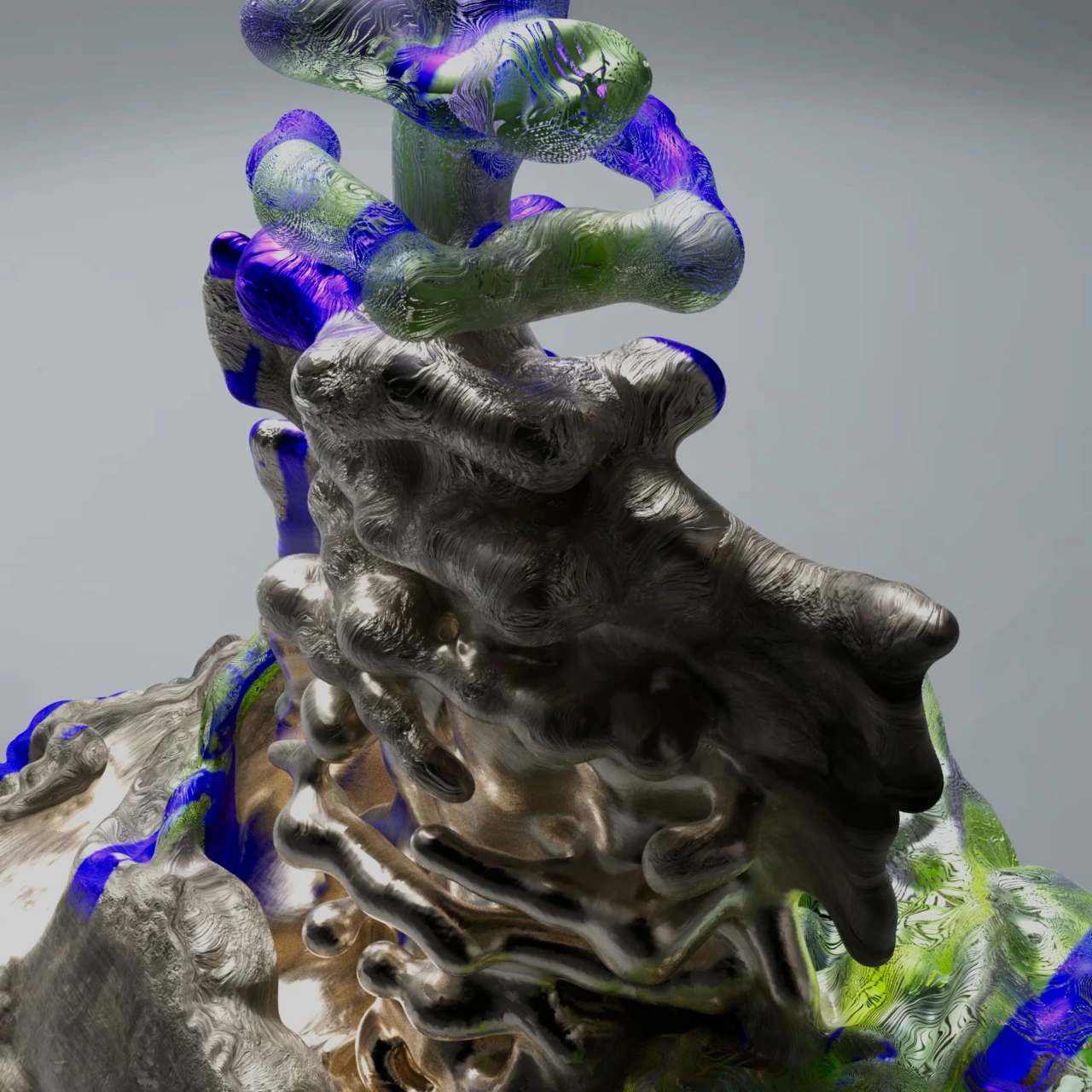
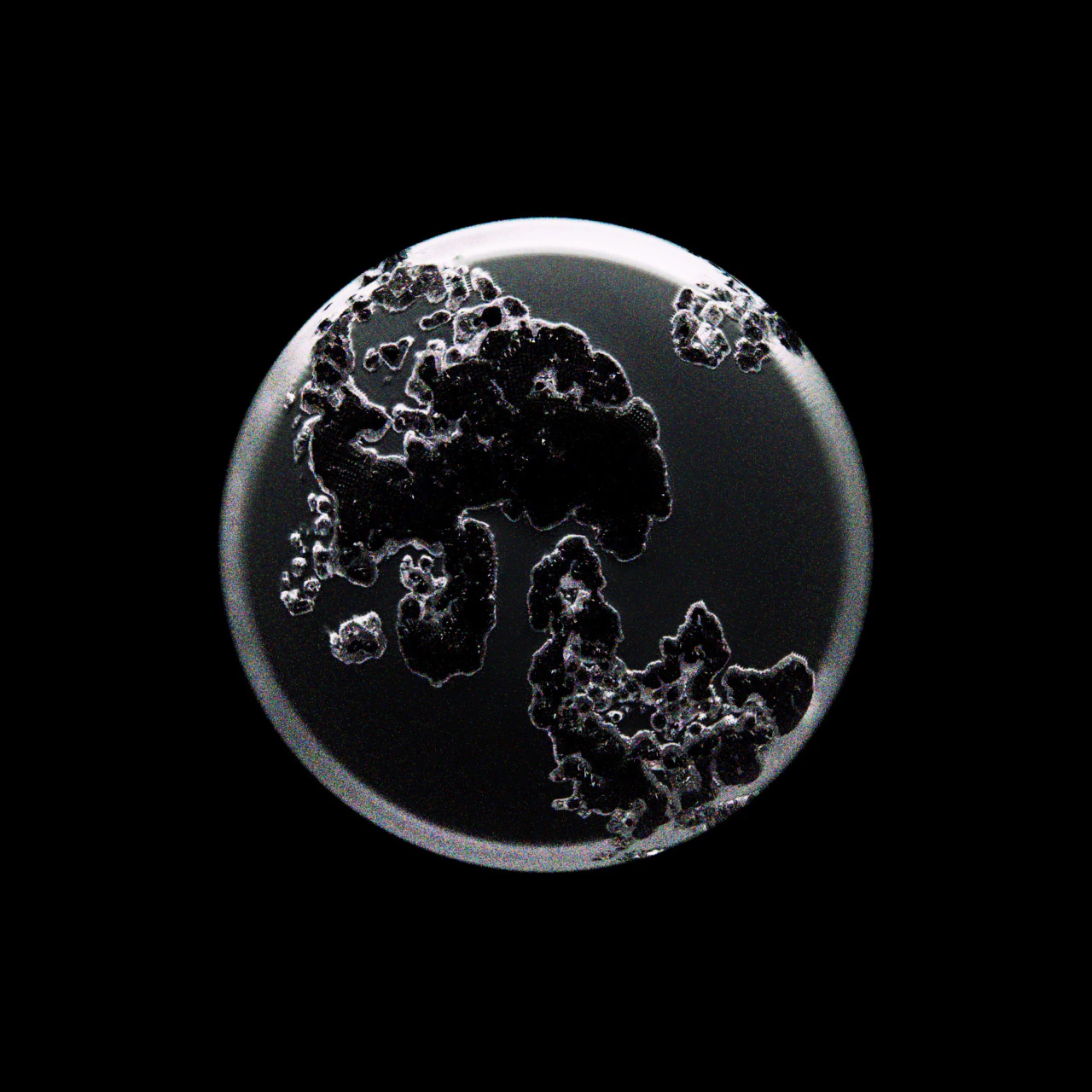
In the final phase, the simulated liquid becomes a highly responsive, adaptive network, free from standard fluid boundaries. Our work shows how this reconfigured fluid grips, flows and interacts with surfaces to deliver active ingredients for biotech and synthetic applications. By maintaining focus across complex, shifting topologies, we translate these invisible chemical changes into a clear and legible aesthetic.
[07] Final macro lens capture revealing the recoded liquid product
[Synthetic Life]
We developed virtual lenses that shift from macro to molecular scale, capturing how a liquid’s internal structure can adapt. This unifies our study of molecular behaviour, structural change and responsive form.