No.4
[Digital Perception]
Visual experience and analysis through the eyes of the machine
As computational systems become increasingly autonomous, their operations are less evident to us. Intelligence is no longer expressed solely through visible mechanics but through distributed sensing, real-time analysis and instantaneous response. This exploration set out to reveal not just what machines see, but also the visual languages that shape how they think, decide and act.
Machine Vision
[Observation]
[01] Kieran capturing raw drone telemetry data to be transformed into dynamic Gaussian splat fields
Sensing technologies such as event-based cameras and LiDAR provide a continuous perception of the world. Unlike human vision, this is not image-based in the traditional sense, but temporal and multi-dimensional. These systems do not simply record environments; they actively interpret them in real time.
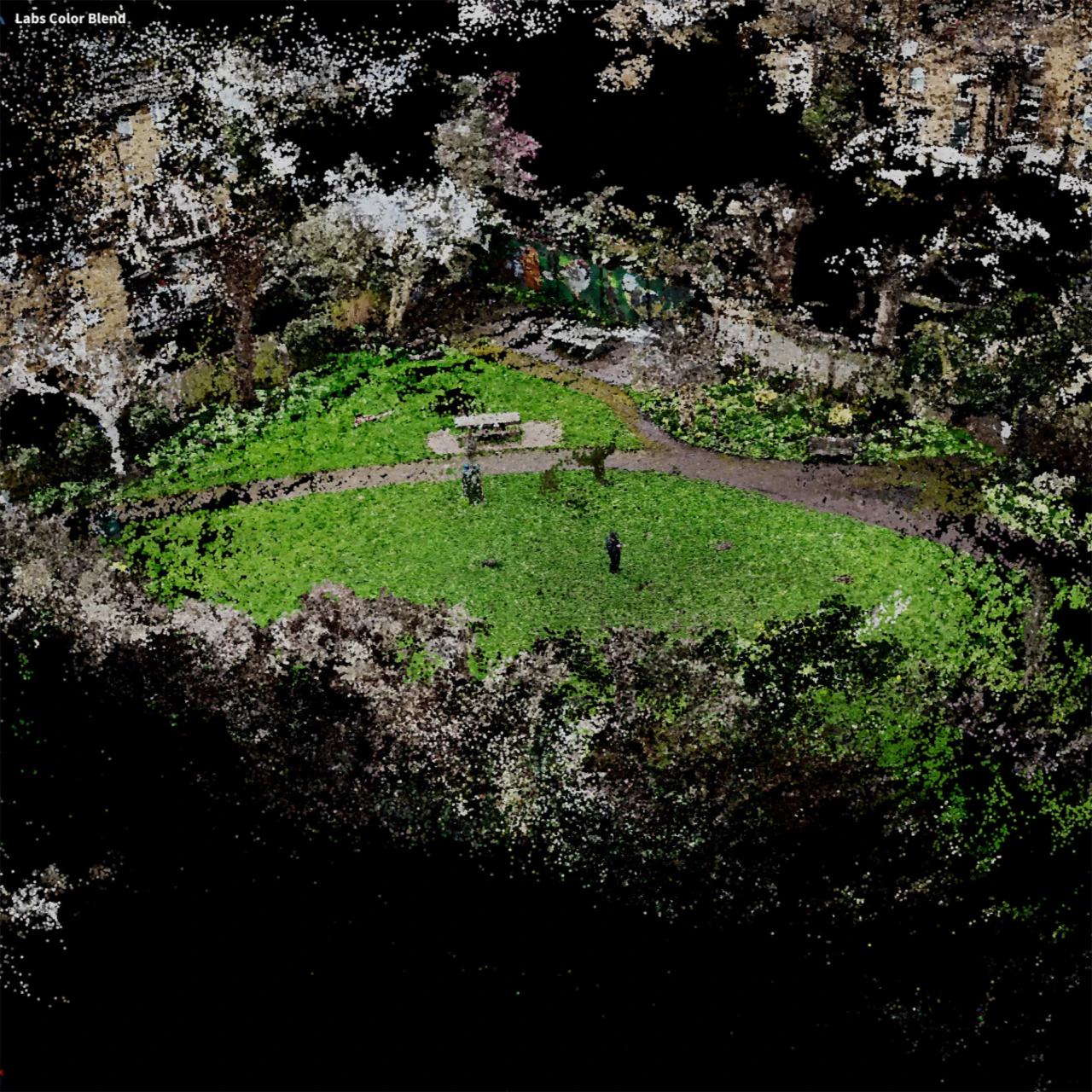
[02] Loading camera data into Houdini’s GSOPs network yielded unexpected raw viewport structures, colours and compositions
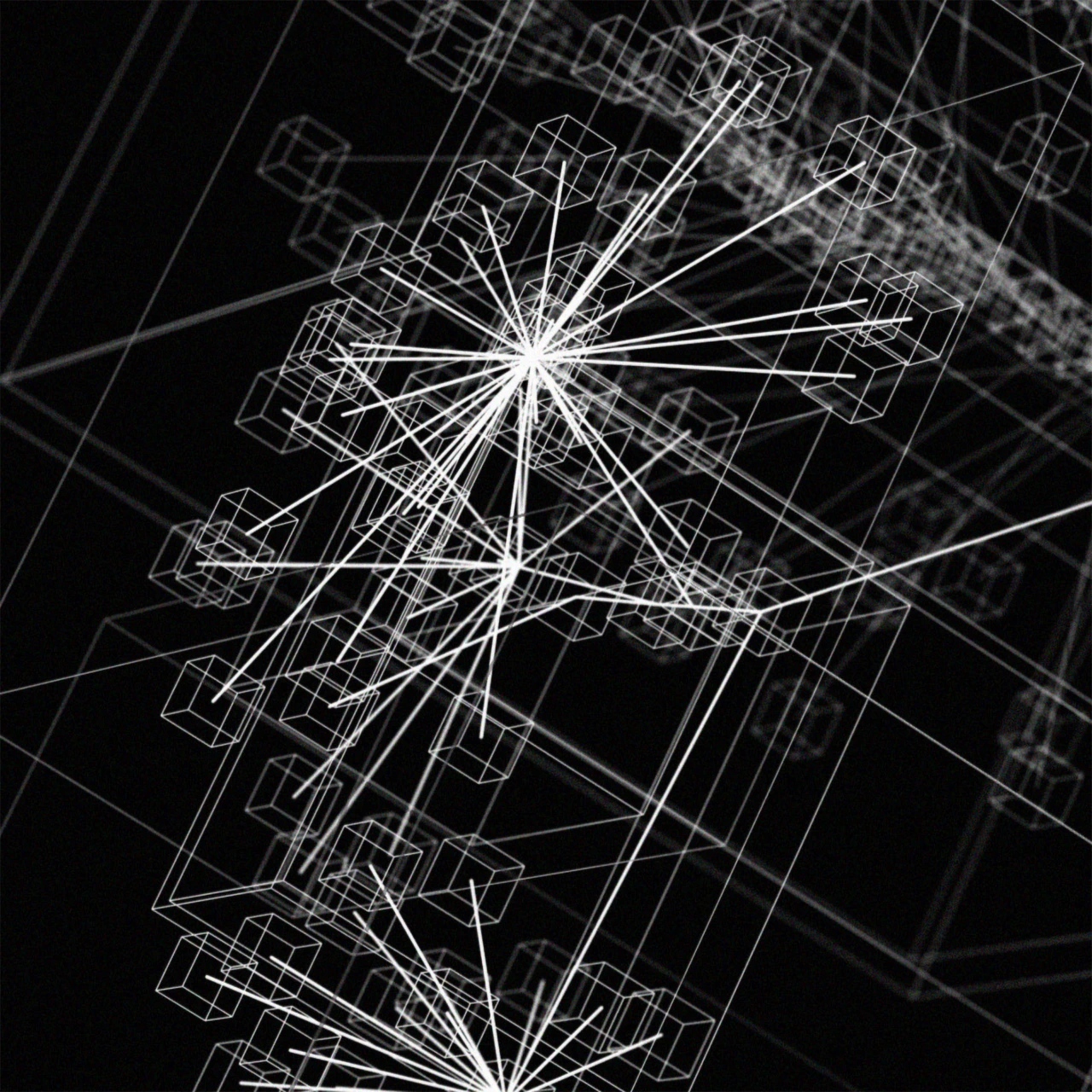
[03] New details emerged as the machine scanned, with hidden behaviours revealed through coloured tags and trace lines
We purposefully manipulated the position, colour and scale of every scan through a custom particle system, allowing us to evolve sterile point clouds into something more organic and cellular. This was more than a visual effect; it was the beginning of a bespoke visual language.
[04] Blending scanned subjects with technological artifacts created a visual synthesis of object and observation
[05] Layered particle motion lets viewers experience and navigate the machine’s perspective in real time
Our exploration progressed from discovering a unique aesthetic to establishing a technical framework. Whether navigating the high-speed logic of a data centre's 'central brain,' visualising the microscopic interactions within nanoscale chip technology, or capturing the predictive intuition of automotive AI, we are no longer simply visualising technology. We are uncovering what machine perception and responsive capability might look like.
Machine Vision
[Analysis]
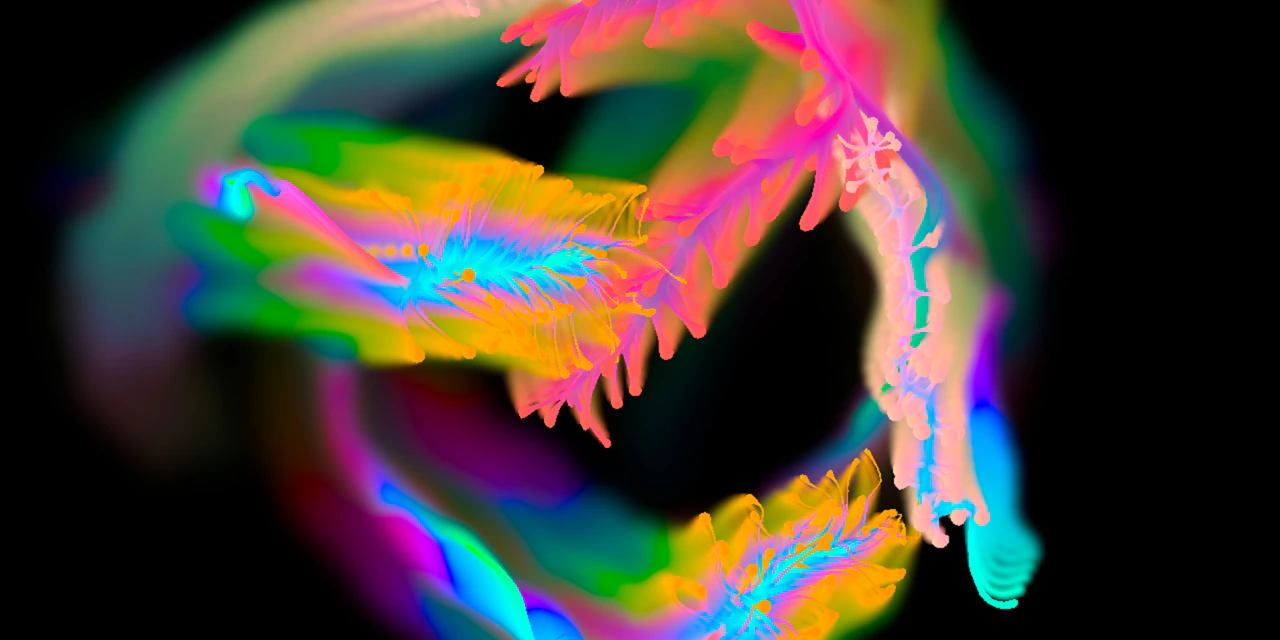
Historically, imaging technologies such as ultrasound, thermal imaging and x-ray have allowed us to access hidden layers of reality. Yet these remain fundamentally passive: they reveal, but do not react. We sought to evolve the way an imaging process looks when it becomes inherently responsive.
[01] Organic forms digitally dissected into component parts by the system
[02] Flashes of exposure mark the machine’s intake of information, punctuating the analysis process
To provide a juxtaposition to the rigid world of machines, we tested our analysis on something alive and unpredictable: a carefully chosen mix of plant life. This exploration revealed a palette of bright, saturated colours that represent the processes of analysis, collation and the system’s growing understanding.
By minimising the gap between capture and interpretation, we visualised the 'moment of recognition': the exact point at which raw light becomes actionable data.
[03] Principal motion test exploring object-tracking, layered temporal data and flow, created as a looping block within Houdini's COPs
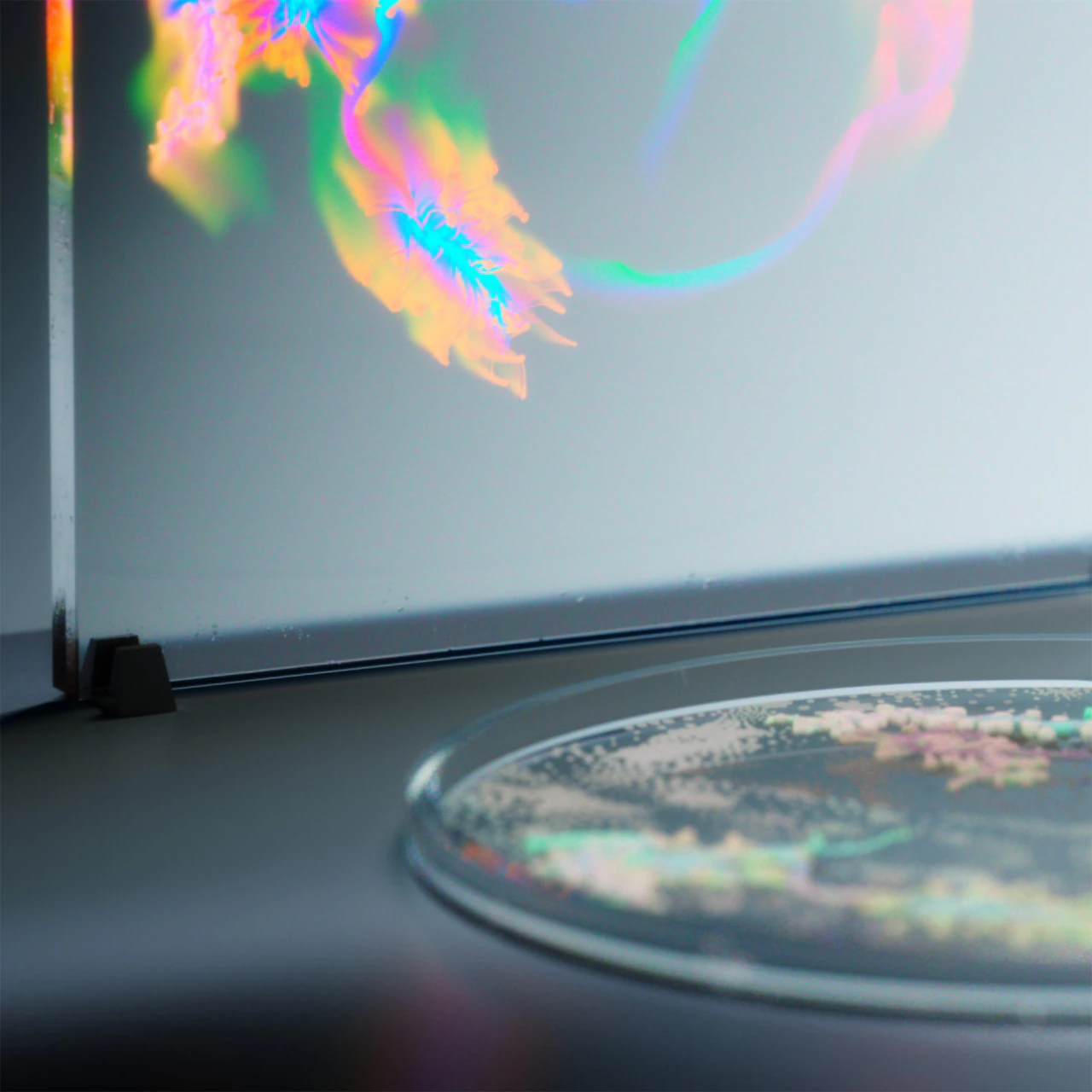
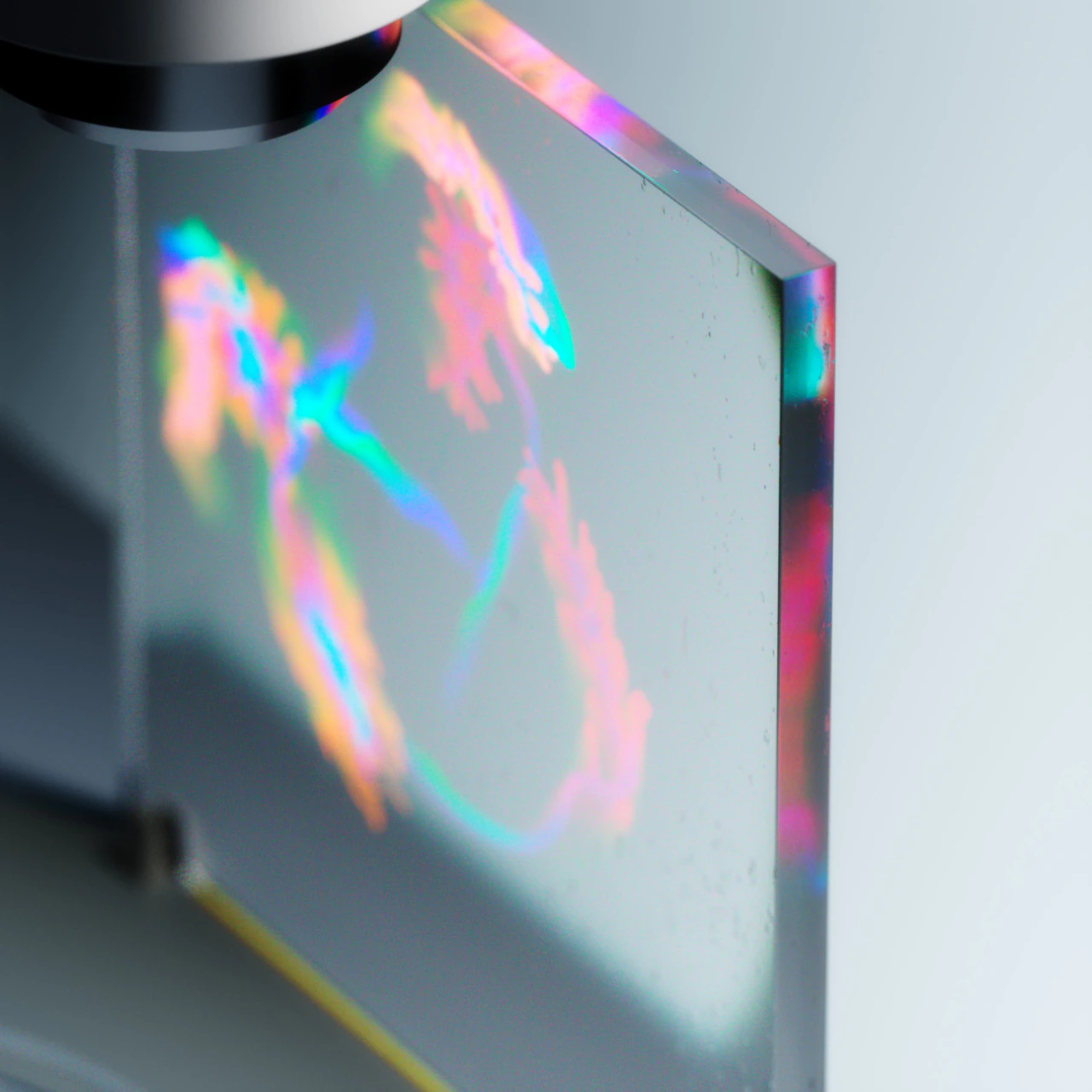
[04] Advanced observation and future visualisation technologies
The result is a self-generating aesthetic system born from analysis. By stripping away traditional passive camera work, we created a visual framework that could both document the world and show us how it identifies, extracts and interrogates it.
[Digital Perception]
Our intention was not only to observe how this technology functions, but also to immerse ourselves in the logic and understand subjects from the machine’s point of view.