Beauty
(chasing the perfect image)
Our ECD Clayton and photographer Marius W Hansen discuss image making practices and the roles of innovation, instinct and craft in achieving beauty
(CW) To Found, beauty means quality. Even more, it’s about creating intrigue. Capturing attention while demanding a closer look is why quality is key as the work must stand up to the scrutiny it’s elicited. In a world that’s constantly fighting for our attention, the art of ‘looking’ is valuable in itself. Truly engaging with a piece of work is the ultimate compliment.
To achieve this, beauty is first in the eye of the maker. How we scrutinise something during its creation directly affects how an audience sees it. The detail we craft shapes their reward. So, to steer a project towards success, we must recognise when it will stand up to this scrutiny. How do we know when something is right — is it instinctive?
(MH) For me it is a feeling, somehow. Maybe this is an instinct, I’m not sure. You have to train your eye. Work, work, work and learn, and through this you recognise when things are right or not. Also through dialogue and looking at what others have done. But it is still just a feeling. The harder part is to find out why and when it is not right, and then make it right.
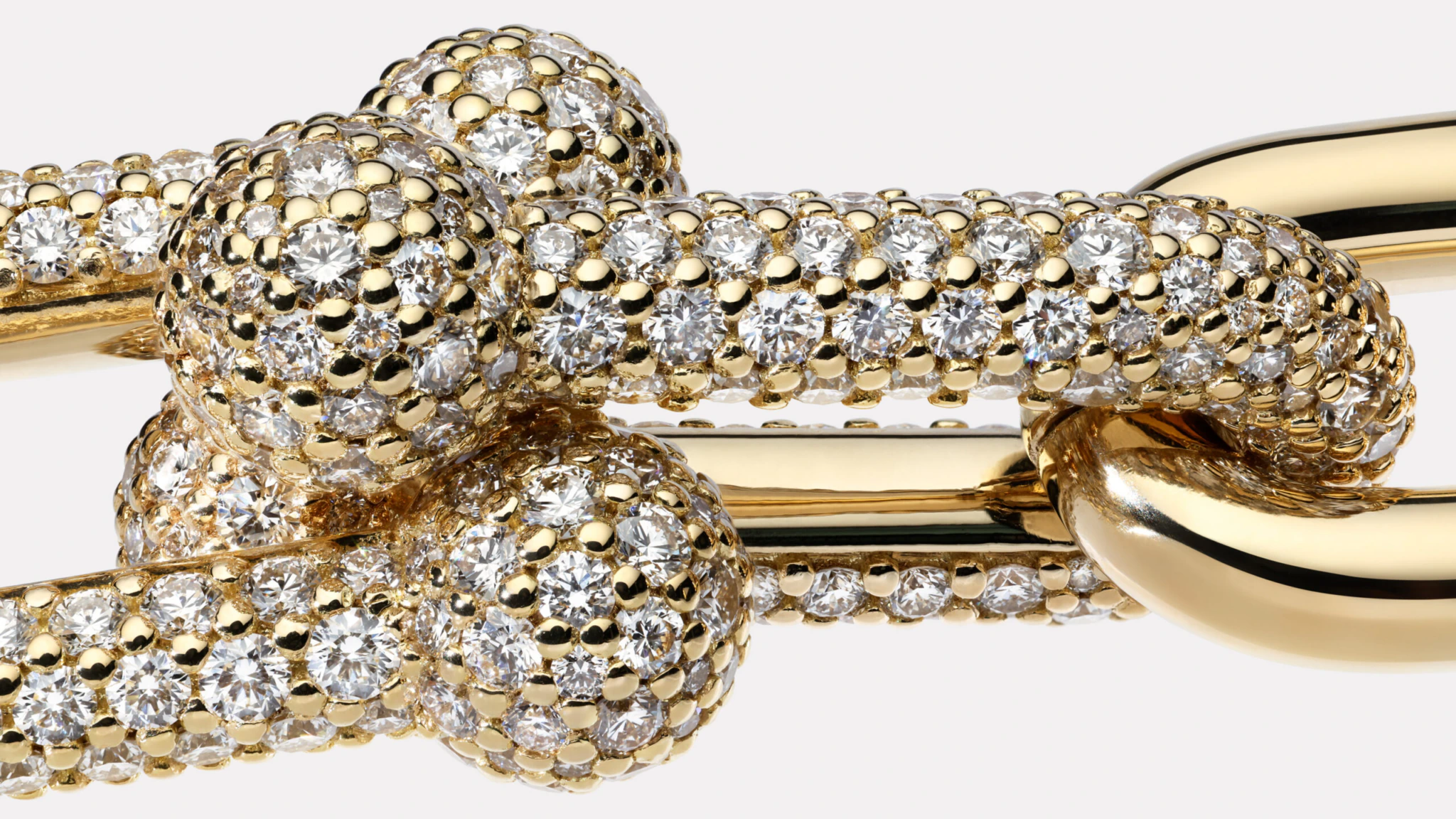
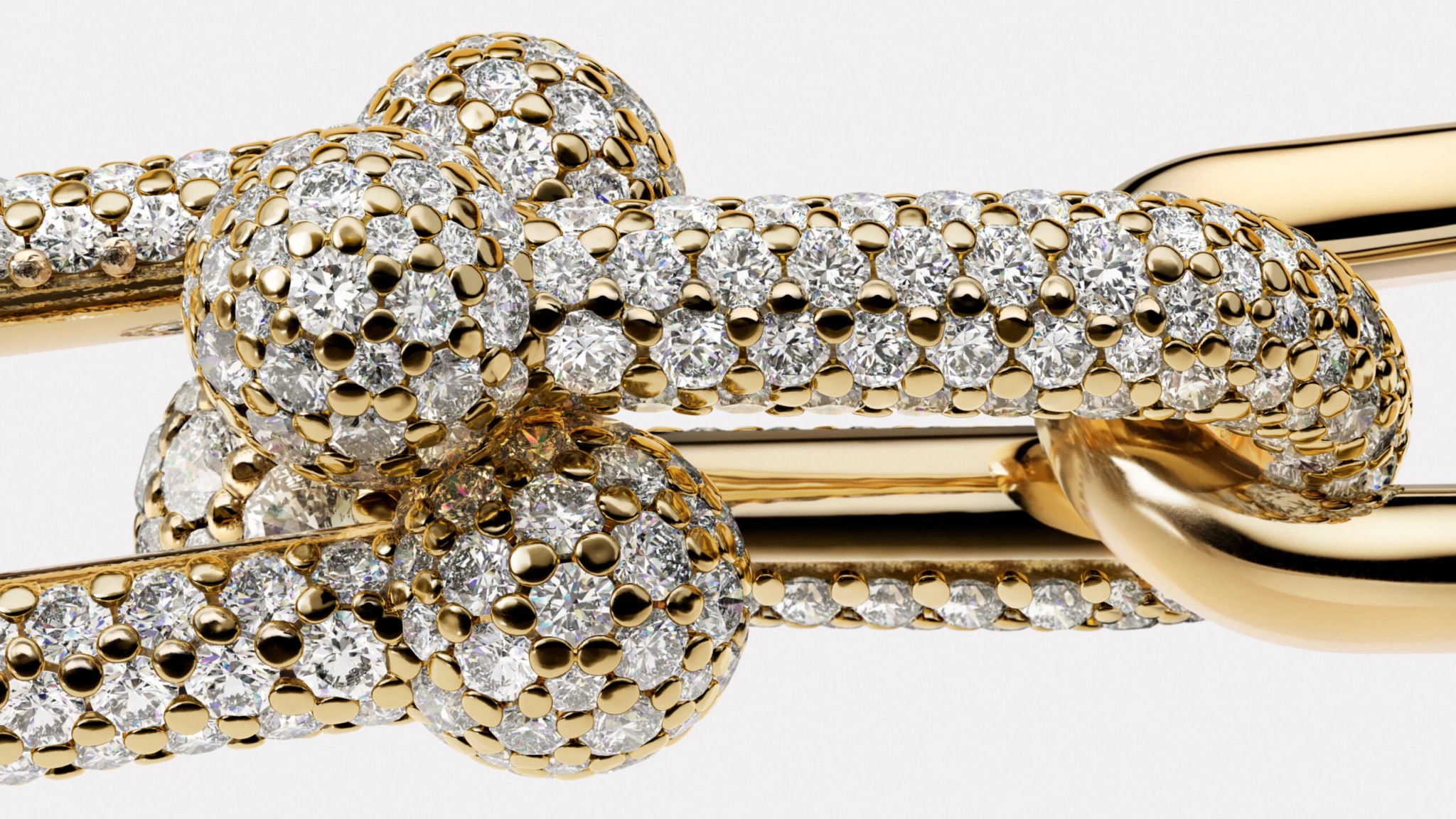
“How we scrutinise something during its creation directly affects how an audience sees it.”
(CW) What we do as a 3D motion studio mirrors your practice as a photographer. Your core tools are cameras, lenses, lights and a studio, which we use, albeit in a digital space. Part of what we do is creating reproductions of the real world, by considering materials, finishes and surrounding environments. Components that make the real world ‘real’.
(MH) That’s what I find so fascinating with 3D. It’s all the same, yet completely different. Everything is constructed and somehow it is the opposite, and you have to inject the mistakes, rather than capturing the mistakes.
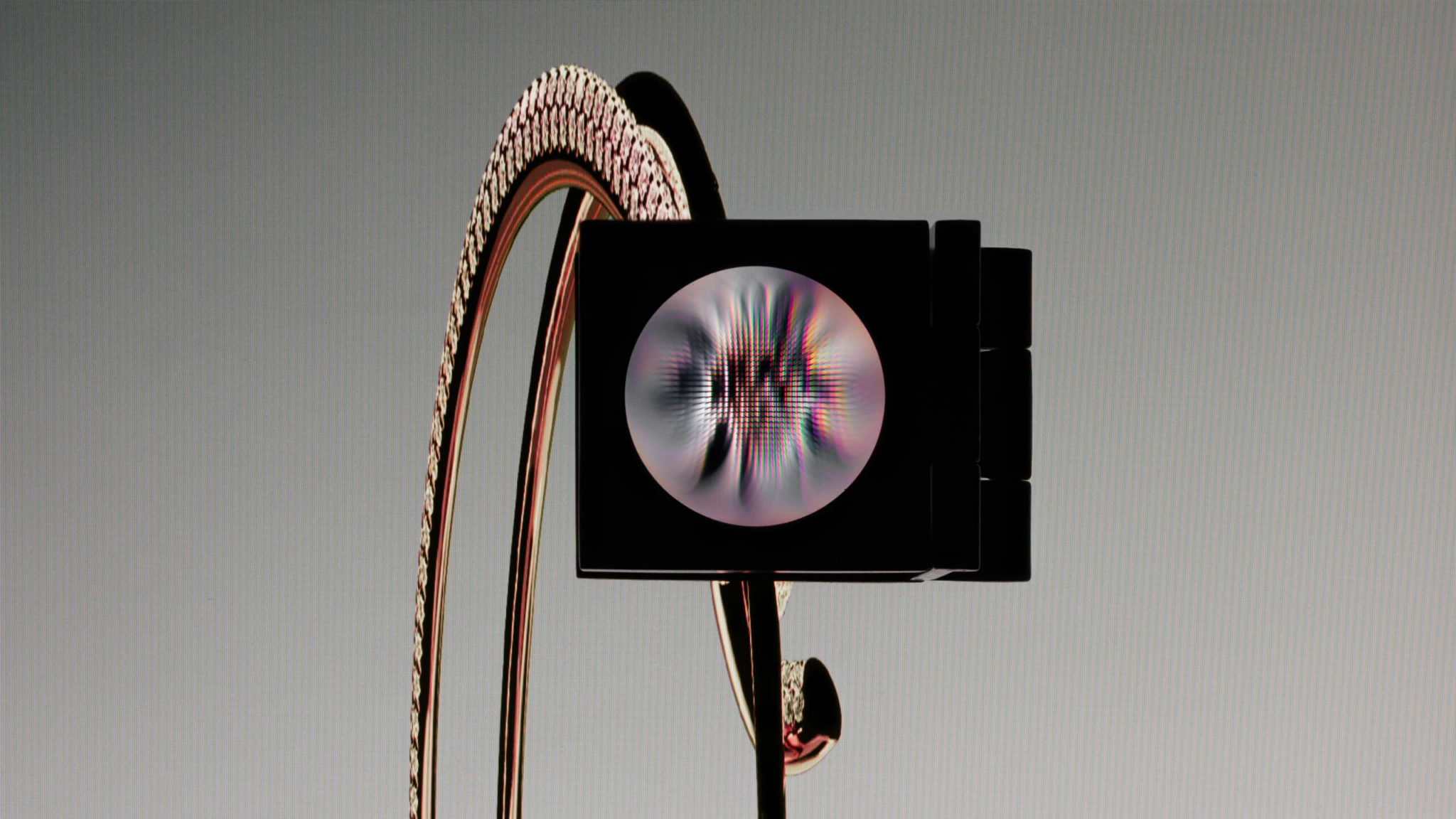
(CW) Yes, when it comes to finishing a project, our disciplines turn in different directions towards our idea of a perfect result. We both employ techniques and post-processing to affect that. You might retouch an image to improve reflections, remove scratches and fingerprints. But we actively add that detail. The effect of scratches, dust and imperfections give our work realism. For us, they make an image more beautiful.
(MH) We retouch images, but that can range from small things like removing dust and small corrections, to bigger adjustments. I enjoy exploring realism, allowing and finding the beauty of mistakes and accidents. There’s a lot of still life imagery that strives for unreal perfection, often too much. I’m more curious about the beauty of the real. Something we spend a lot of time with at the studio here is knowing when to leave an imperfection, to achieve an image that feels right, the balance between doing and not doing, having the courage to let something be.
(CW) I like the idea of imperfections making an image unique, if we have the confidence to let them through the edit. Maybe the familiarity of imperfection, what we’re used to seeing in the real world, brings the work closer to reality and therefore beauty. So, how do you balance what’s captured in camera with retouching? Do they both play a role in achieving the most beautiful image?
(MH) Less is usually more, but knowing when to stop is hard. A badly retouched image is usually an image which has been retouched too much. Somehow the retouch has to be part of the process, building on what was captured, complementing the process. This is why we have an in-house post-production team at the studio, to enable a dialogue from beginning to end.
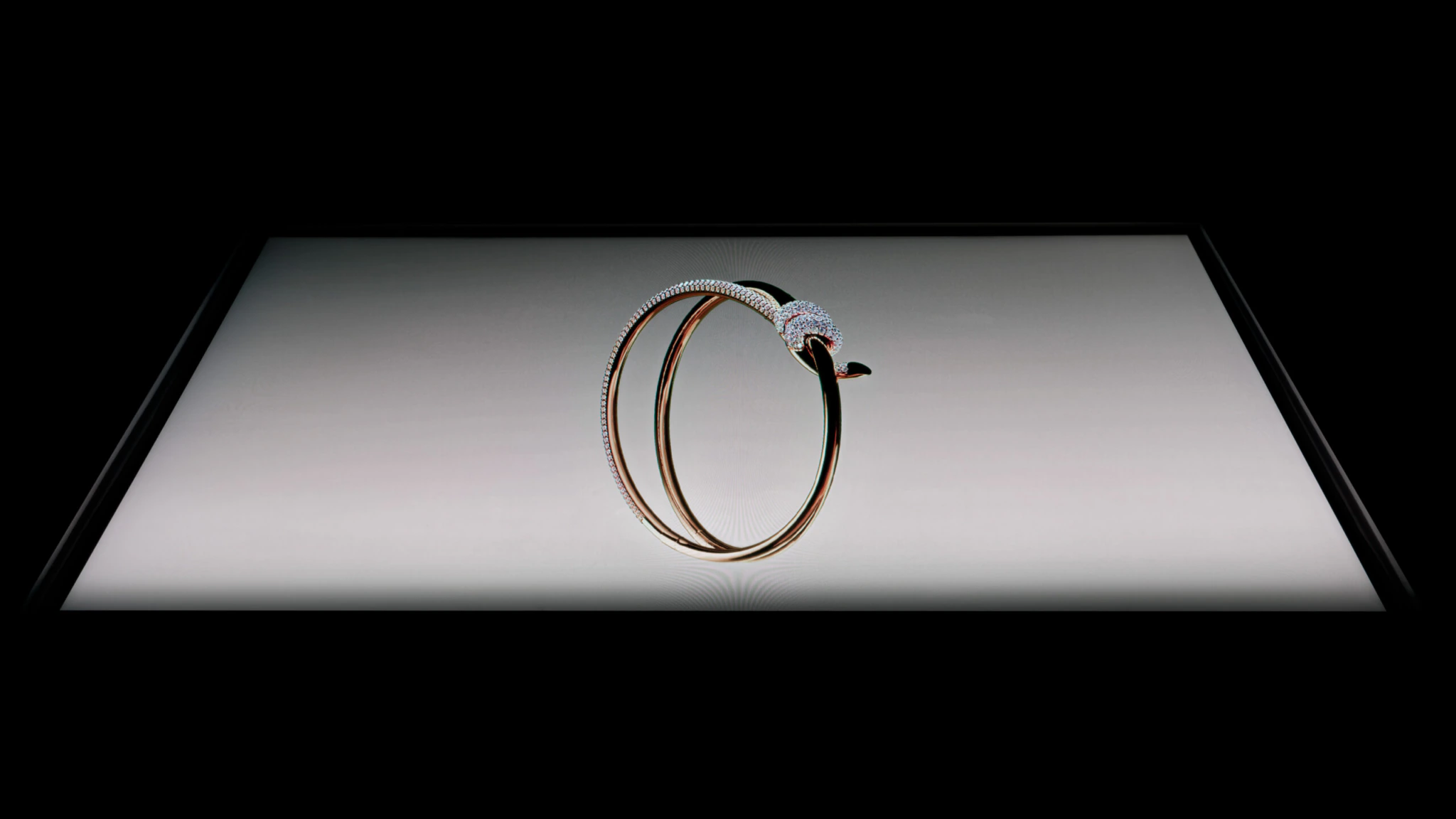
(CW) We both use tools, systems and teams of experts to push for quality and beauty in our work. So, how could we refer to the thing you’re there to do? Let’s say you’re not even pressing the shutter, let alone rigging lights and preparing the subject. Is it the beauty and aesthetics aspect you’re focused on?
(MH) That’s where you’re concentrating on choices. And they can be really subtle, they’re not always big creative calls. Often on shoots you have two pictures on the monitor. With one you do a little bit of something, and with the other you do something else. Visually they’re now two completely different images, but the adjustments made in shooting were arguably next to nothing. One is right and the other just isn’t.
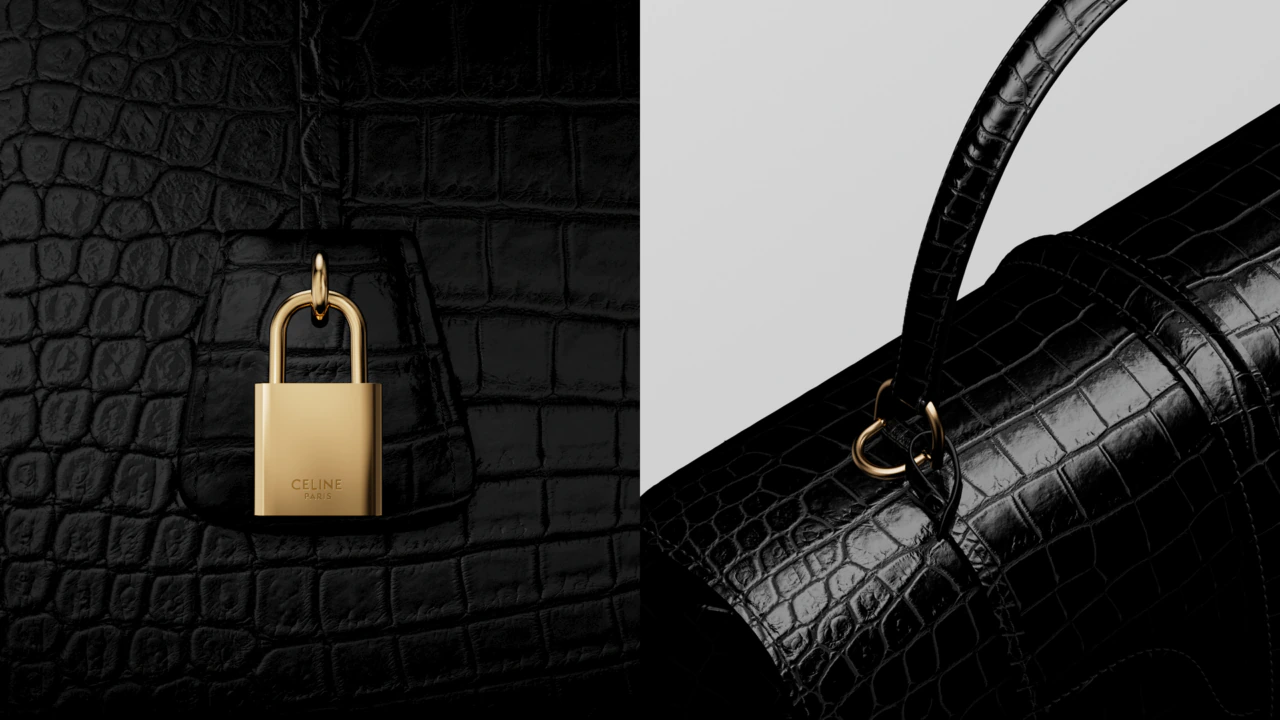
“Maybe the familiarity of imperfection, what we’re used to seeing in the real world, brings the work closer to reality and therefore beauty.”
(CW) We created a project for London Craft Week which sparked debate around digital craftsmanship. Unfamiliar innovations drove the work into places we hadn’t thought possible. There’s a well-established digital aspect to photography too. So, are you open to new ways of making images?
(MH) I am open to it, and I’m quite excited about generating images without having to use a traditional camera. I think the different processes can learn from each other. It’s all about looking, deciding when to stop, knowing when it’s right and finding out how to get there. If at times this is with AI or a 3D motion studio, it’s all in the same world, but I have to admit I prefer traditional photography. The magic in a still photograph, the moment which is captured, is somehow special to me. It’s hard to explain why, but I will always come back to that.
(CW) A lot of the AI in our workflow is for functional tasks, such as image resolution and frame rate adaptation. Then there are developments helping to iterate animation ideas and custom datasets that bring a brand’s core assets into our pipeline. The term we’re using a lot while investigating AI tools is ‘control’. It would be great to have more.
(MH) It comes back to our experience and training as image makers and our relationships with our tools. What use are tools if we’re not there? A camera doesn’t release its own shutter and an AI isn’t outputting images and animations without human direction. We’ll be the premium aspect in a creative project, living alongside new tools with which we can make our visions happen.
(CW) Absolutely, it’s going to evolve to a point where we consider AI like any other design tool, requiring expertise to pull it off. Then it’s all about efficiency and amplification. It’s still a process of creating an image, but you’re seeing multiple versions of it very quickly with backgrounds that change and iterative options for clients to explore. To combine the creative control we’re used to with the speed and visual power of the next generation of AI systems is an exciting thought. Control creates a design arena that allows our instincts to kick in, and to achieve beauty.
(MH) It’s important to keep on the pulse. I rely on a good team to keep me aware of wider industry activity and advancements. They’ve opened my eyes and mind to a lot of things I otherwise would not have explored, nor discovered. Ultimately, it’s still about our ability to know when our tools and teams have achieved the most beautiful result.
Imagery © Marius W Hansen © Found